
Wheel Bearing Water Ingress: Evidence, Seal Checks and Prevention
Investigate wheel bearing water ingress with a clear timeline, seal checks and preserved return evidence. Separate observations from unsupported cause claims.
 HJDPHuayuan Auto Bearing
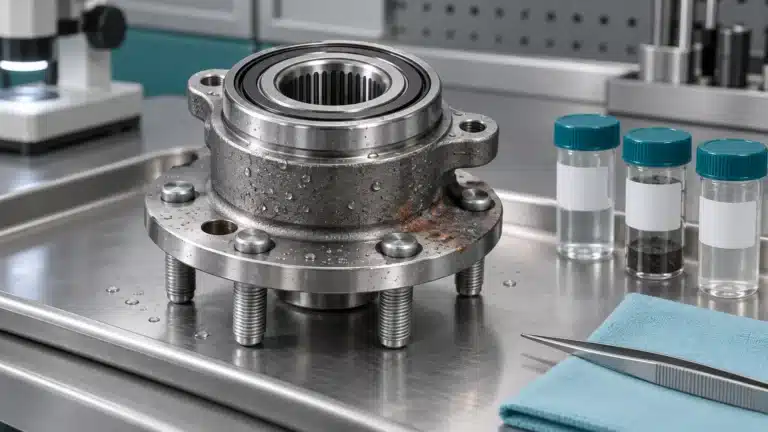
Investigate wheel bearing water ingress with a clear timeline, seal checks and preserved return evidence. Separate observations from unsupported cause claims.

An evidence-led warranty guide for distinguishing installation damage, vehicle-interface problems, and wheel hub bearing manufacturing nonconformance.

A distributor-focused failure-analysis workflow for separating symptoms, damage modes, causes, installation evidence, and product responsibility.

A practical export-packaging specification for protecting wheel hub flanges, studs, seals, ABS encoders, labels, and traceability through ocean freight.

A catalog-governance guide to managing old and new wheel hub bearing numbers without creating false interchange claims.

A buyer-focused workflow for validating wheel hub bearing fitment before samples, catalog release, or purchase-order approval.
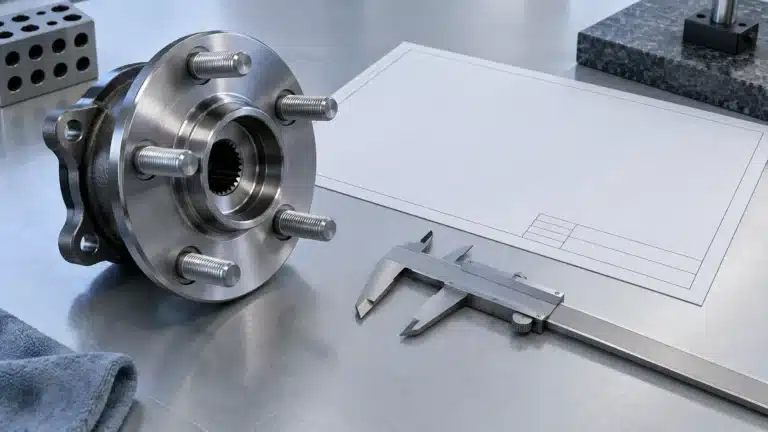
Understand wheel hub flange dimensions, bolt patterns, pilots and mounting faces. Compare drawings and measurements without assuming vehicle interchangeability.

A procurement and catalog checklist for defining exactly what belongs in a wheel hub bearing repair kit.

A technical sourcing guide for distributors and catalog teams comparing front and rear wheel hub bearings without relying on axle position alone.

An evidence-led factory and quality-system audit checklist for importers, distributors, and private-label automotive bearing buyers.

A practical data-governance workflow for importers and distributors managing wheel hub bearing OE references and vehicle fitment.

Check wheel hub bearing ABS encoders, sensor interfaces, orientation and handling. Build a clear specification and receiving record before approving supply.

A sourcing and catalog guide to the three common wheel hub bearing generations and the application data needed to buy them correctly.

A technical comparison for importers, distributors, and catalog teams deciding whether an application requires a separate wheel bearing or an integrated hub assembly.

First determine from the controlled drawing, material and process route whether heat treatment is specified for the exact component and whether the buyer requires a particular special-process assessment or approved source. Map the component, supplier and sub-tier site, process family, furnace or equipment group, specification revision and production lot. Review the applicable assessment scope and date, open findings, corrective actions and customer approval, then link the process control records, equipment status, recipes or parameters, load traceability, atmosphere or media controls where applicable, testing, acceptance records and certificate to the shipped lot. Do not infer material, hardness, case depth, temperature, certification or approval from another part or a general factory audit.

Inventory record classes such as quotations and specifications, approvals, PPAP or first article files, incoming and production inspection, calibration, material and process certificates, lot traceability, nonconformance, corrective action, shipment and warranty evidence. For each class, name the record owner, product and site scope, creation and retention trigger, governing customer, contract, legal or policy basis, minimum period if explicitly defined, format, repository, access, backup, change history, retrieval key and disposal authority. Preserve legal or customer holds, supersession and transfer obligations. Test retrieval from a real part, lot, shipment or complaint instead of accepting a policy statement alone.