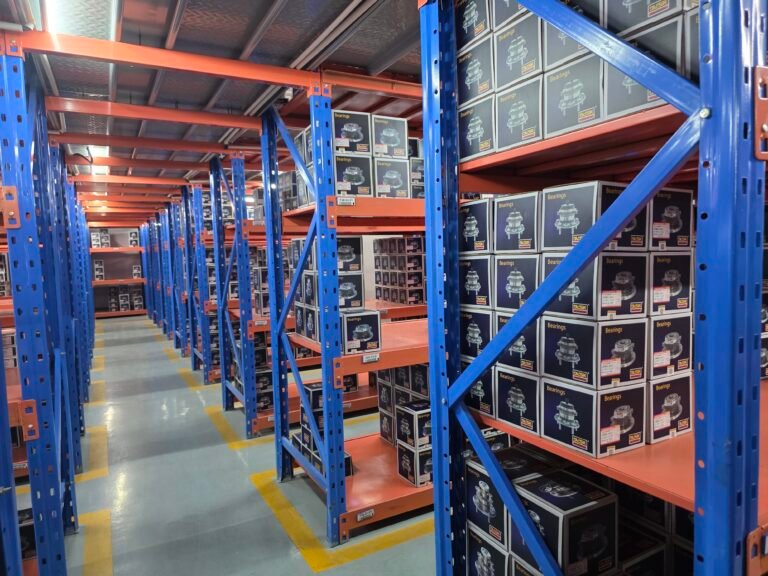

Wheel Hub Inspection Status Identification: Hold, Accept and Release
A green label, system flag or inspection stamp is useful only when it belongs to the exact product population and current evidence. Buyers should test whether physical and digital status remain synchronized through every move and exception.
What should wheel hub inspection status identification control?
Identify the exact part, revision, lot, quantity and location first, then assign a controlled status such as pending, under inspection, hold, rejected, accepted or released according to defined authority. Keep physical labels, containers and warehouse or quality-system records synchronized. Link each status to the evidence and unresolved tests that justify it, restrict who may change or remove it, and preserve a time-stamped history. Reconcile splits, merges, rework and transfers. Acceptance evidence should not be confused with shipment release when another contractual or quality gate remains open.
Bind status to the exact population
Prevent a label or flag from floating between lots. This is the controlling question for wheel hub inspection status identification, since similar product and partial quantities can inherit the wrong state. Procurement, catalog and quality teams should use the same definition so that a technical note cannot be converted into a stronger public or contractual claim downstream.
Collect SKU, supplier model, revision, lot, container, quantity, location and unique ID. After intake, use positive identity at every status assignment and movement. Do the comparison line by line rather than by overall resemblance, total price or a supplier’s confidence. Evidence can eliminate a candidate without proving the remaining candidate, and the workflow should preserve that distinction.
Decision rule and evidence owner
The evidence packet must retain population boundary, issuer and timestamp. Give files stable names, retain the unedited originals and connect every conclusion to its source. A screenshot without the URL and access date, or a photograph without the SKU and sample ID, is difficult to reuse and should not carry an approval by itself.
Worked situation: one pallet is split across inspection and storage. Hold the decision if status cannot be tied to a complete quantity. Explain the hold with the disputed field and required evidence rather than speculation. That approach gives suppliers and customers a solvable question while protecting the distributor from an accidental interchange, capability or delivery promise.
Define status meanings and visual controls
Make each state unambiguous to handlers and systems. This is the controlling question for wheel hub inspection status identification, since color conventions can differ between departments. Procurement, catalog and quality teams should use the same definition so that a technical note cannot be converted into a stronger public or contractual claim downstream.
Collect status code, name, allowed locations, label format, system value and handling rule. After intake, publish one controlled legend with explicit prohibited actions. Do the comparison line by line rather than by overall resemblance, total price or a supplier’s confidence. Evidence can eliminate a candidate without proving the remaining candidate, and the workflow should preserve that distinction.
A workable release condition
The evidence packet must record revision, training and retired labels. Give files stable names, retain the unedited originals and connect every conclusion to its source. A screenshot without the URL and access date, or a photograph without the SKU and sample ID, is difficult to reuse and should not carry an approval by itself.
Worked situation: a yellow tag means pending in one area and released in another. Hold the decision if state meaning or handling rule is unclear. Explain the hold with the disputed field and required evidence rather than speculation. That approach gives suppliers and customers a solvable question while protecting the distributor from an accidental interchange, capability or delivery promise.
Link status to inspection evidence
Show why the population occupies its current state. This is the controlling question for wheel hub inspection status identification, since accepted can appear while an external result or deviation remains open. Procurement, catalog and quality teams should use the same definition so that a technical note cannot be converted into a stronger public or contractual claim downstream.
Collect inspection plan, sample results, pending tests, nonconformance, approval and conditions. After intake, build a must-pass gate list for the defined release decision. Do the comparison line by line rather than by overall resemblance, total price or a supplier’s confidence. Evidence can eliminate a candidate without proving the remaining candidate, and the workflow should preserve that distinction.
How to document the exception
The evidence packet must retain source records and unresolved items. Give files stable names, retain the unedited originals and connect every conclusion to its source. A screenshot without the URL and access date, or a photograph without the SKU and sample ID, is difficult to reuse and should not carry an approval by itself.
Worked situation: dimensional inspection passed but a required material report is pending. Hold the decision if required evidence or an exception is open. Explain the hold with the disputed field and required evidence rather than speculation. That approach gives suppliers and customers a solvable question while protecting the distributor from an accidental interchange, capability or delivery promise.
Restrict status changes and release
Make every transition attributable and authorized. This is the controlling question for wheel hub inspection status identification, since removing a hold label can bypass the quality-system decision. Procurement, catalog and quality teams should use the same definition so that a technical note cannot be converted into a stronger public or contractual claim downstream.
Collect role, user, reason, prior status, new status, evidence, time and approval. After intake, require controlled transitions and independent authorization where specified. Do the comparison line by line rather than by overall resemblance, total price or a supplier’s confidence. Evidence can eliminate a candidate without proving the remaining candidate, and the workflow should preserve that distinction.
A case that exposes the hidden risk
The evidence packet must retain audit trail and attempted unauthorized changes. Give files stable names, retain the unedited originals and connect every conclusion to its source. A screenshot without the URL and access date, or a photograph without the SKU and sample ID, is difficult to reuse and should not carry an approval by itself.
Worked situation: warehouse staff remove a hold to meet a truck cutoff. Hold the decision if release authority or transition history is absent. Explain the hold with the disputed field and required evidence rather than speculation. That approach gives suppliers and customers a solvable question while protecting the distributor from an accidental interchange, capability or delivery promise.
Reconcile movement, split and rework states
Keep physical and system quantities aligned as the lot changes. This is the controlling question for wheel hub inspection status identification, since returned, reworked or transferred units can retain stale approval. Procurement, catalog and quality teams should use the same definition so that a technical note cannot be converted into a stronger public or contractual claim downstream.
Collect movement, split, merge, rework, relabel, inventory count and shipment link. After intake, scan or verify identity at each state-changing event. Do the comparison line by line rather than by overall resemblance, total price or a supplier’s confidence. Evidence can eliminate a candidate without proving the remaining candidate, and the workflow should preserve that distinction.
What a second reviewer should see
The evidence packet must record old and new populations and quantity balance. Give files stable names, retain the unedited originals and connect every conclusion to its source. A screenshot without the URL and access date, or a photograph without the SKU and sample ID, is difficult to reuse and should not carry an approval by itself.
Worked situation: reworked units rejoin accepted stock without new status. Hold the decision if quantity or state genealogy does not reconcile. Explain the hold with the disputed field and required evidence rather than speculation. That approach gives suppliers and customers a solvable question while protecting the distributor from an accidental interchange, capability or delivery promise.
Inspection-status control register
Use this buyer-side register to separate document presence, technical review, open exceptions and authorized release.
| Control | Evidence to retain | Hold trigger |
|---|---|---|
| Bind status to the exact population | SKU, supplier model, revision, lot, container, quantity, location and unique ID | status cannot be tied to a complete quantity |
| Define status meanings and visual controls | status code, name, allowed locations, label format, system value and handling rule | state meaning or handling rule is unclear |
| Link status to inspection evidence | inspection plan, sample results, pending tests, nonconformance, approval and conditions | required evidence or an exception is open |
| Restrict status changes and release | role, user, reason, prior status, new status, evidence, time and approval | release authority or transition history is absent |
| Reconcile movement, split and rework states | movement, split, merge, rework, relabel, inventory count and shipment link | quantity or state genealogy does not reconcile |
Make status evidence-based and reversible
GS1's traceability standard provides a cross-sector framework for identifying traceable objects and recording critical tracking events across trading partners.
ISO's public ISO 9001 overview includes controlled operations, monitoring and documented information as parts of quality management.
The actual contract and quality procedure determine statuses and authorization; this page does not define a JNHJDP release process.
Claim boundary: No JNHJDP inspection status, lot acceptance, rejection, release authority or inventory accuracy is asserted.
Additional review scenarios for wheel hub inspection status identification
Review scenario 1 for wheel hub inspection status identification: Start from SKU, supplier model, revision, lot, container, quantity, location and unique ID. The reviewer should use positive identity at every status assignment and movement. An independent checker then tests the conclusion against the stated decision boundary and confirms that the record will retain population boundary, issuer and timestamp. If status cannot be tied to a complete quantity, keep the affected line on hold, name the missing evidence and prevent the provisional interpretation from entering a quote, catalog, purchase order or customer promise. The case can move again when the evidence owner closes that exact field; a general assurance, familiar photograph or previous order is not a substitute for the missing source.
Review scenario 2 for wheel hub inspection status identification: Start from status code, name, allowed locations, label format, system value and handling rule. The reviewer should publish one controlled legend with explicit prohibited actions. An independent checker then tests the conclusion against the stated decision boundary and confirms that the record will record revision, training and retired labels. If state meaning or handling rule is unclear, keep the affected line on hold, name the missing evidence and prevent the provisional interpretation from entering a quote, catalog, purchase order or customer promise. The case can move again when the evidence owner closes that exact field; a general assurance, familiar photograph or previous order is not a substitute for the missing source.
Review scenario 3 for wheel hub inspection status identification: Start from inspection plan, sample results, pending tests, nonconformance, approval and conditions. The reviewer should build a must-pass gate list for the defined release decision. An independent checker then tests the conclusion against the stated decision boundary and confirms that the record will retain source records and unresolved items. If required evidence or an exception is open, keep the affected line on hold, name the missing evidence and prevent the provisional interpretation from entering a quote, catalog, purchase order or customer promise. The case can move again when the evidence owner closes that exact field; a general assurance, familiar photograph or previous order is not a substitute for the missing source.
Review scenario 4 for wheel hub inspection status identification: Start from role, user, reason, prior status, new status, evidence, time and approval. The reviewer should require controlled transitions and independent authorization where specified. An independent checker then tests the conclusion against the stated decision boundary and confirms that the record will retain audit trail and attempted unauthorized changes. If release authority or transition history is absent, keep the affected line on hold, name the missing evidence and prevent the provisional interpretation from entering a quote, catalog, purchase order or customer promise. The case can move again when the evidence owner closes that exact field; a general assurance, familiar photograph or previous order is not a substitute for the missing source.
Review scenario 5 for wheel hub inspection status identification: Start from movement, split, merge, rework, relabel, inventory count and shipment link. The reviewer should scan or verify identity at each state-changing event. An independent checker then tests the conclusion against the stated decision boundary and confirms that the record will record old and new populations and quantity balance. If quantity or state genealogy does not reconcile, keep the affected line on hold, name the missing evidence and prevent the provisional interpretation from entering a quote, catalog, purchase order or customer promise. The case can move again when the evidence owner closes that exact field; a general assurance, familiar photograph or previous order is not a substitute for the missing source.
Review scenario 6 for wheel hub inspection status identification: Start from SKU, supplier model, revision, lot, container, quantity, location and unique ID. The reviewer should use positive identity at every status assignment and movement. An independent checker then tests the conclusion against the stated decision boundary and confirms that the record will retain population boundary, issuer and timestamp. If status cannot be tied to a complete quantity, keep the affected line on hold, name the missing evidence and prevent the provisional interpretation from entering a quote, catalog, purchase order or customer promise. The case can move again when the evidence owner closes that exact field; a general assurance, familiar photograph or previous order is not a substitute for the missing source.
Related wheel hub buyer resources
- Wheel Hub Assembly catalog
- Wheel Hub Bearing catalog
- wheel bearing versus wheel hub assembly guide
- ABS encoder identification guide
- wheel hub OE number and RFQ guide
- fitment verification workflow
- sample approval workflow
- kit contents and BOM verification
- supplier evaluation evidence guide
- export packaging checklist
- MOQ and lead-time planning guide
- incoming inspection checklist
- About Jinan Huayuan Auto Bearing
Sources, dates and claim boundaries
- GS1 Global Traceability Standard — official cross-sector framework for identifying traceable objects, recording critical tracking events and linking data across trading partners
- ISO 9001 quality management overview — official overview that operation must be planned and controlled and that support includes resources, competence and documented information; no certification is inferred
- Timken Supplier Requirements Manual — public requirements covering revision control, identification, lot traceability, shipment records and supplier evidence boundaries
- NIST acceptance sampling handbook — official boundary that acceptance sampling supports lot-disposition decisions rather than estimating the quality of the accepted lot
Technical review: Jinan Huayuan Auto Bearing editorial review for source fidelity, procurement-data consistency and unsupported-claim removal. This review does not replace an OE catalog, vehicle service procedure, legal or customs advice, a customer-approved drawing, or mutually agreed commercial and inspection terms.
Corrections: Send the page URL and supporting evidence through the contact page. Material corrections are reviewed, linked records are rechecked and the updated date is changed when warranted.