Brand Table 2.0 Wheel Hub Identity Mapping and Label Control
A standardized brand identifier helps exchange data, but it does not grant permission to use a name, merge private-label products or imply that one company manufactured another brand’s wheel hub.
How should a distributor map wheel hub identities to Brand Table 2.0?
Identify the legal or authorized brand owner, the exact approved market label, and the supplier or private-label relationship before selecting a Brand Table record. Preserve the official Brand Table publication, received product and packaging evidence, authorization scope and affected SKUs. Keep manufacturer, supplier, distributor, private-label owner and catalog brand in distinct fields. Test labels and identifiers through the PIES or ACES receiver, including punctuation, language and inactive or superseded records. Hold collisions and ownership questions for the responsible commercial or legal owner; never use another bearing brand to signal comparable quality.
Separate brand and supply-chain parties
Prevent one organization role from overwriting another. The value of this control in Brand Table 2.0 wheel hub identity mapping is that manufacturer, exporter, distributor and private-label owner can differ. A fast answer is useful only when another reviewer can see how it was reached and where its limits begin. Speed without an evidence trail simply moves the delay to receiving, returns or customer service.
Use legal names, trading names, brand owner, supplier, distributor, authorization and contact as the intake baseline. Next, map each party to a defined role without inferring manufacturing responsibility. Make each transformation visible: converted units, normalized numbers, translated wording and calculated totals belong in separate fields from source values. This design exposes errors early and prevents a spreadsheet formula from being mistaken for a supplier commitment.
Decision rule and evidence owner
The approved record should retain source documents, owner and effective dates. Link it to the exact SKU, RFQ line, purchase order or lot that it controls. If one attribute changes, reviewers can then locate the affected outputs without replacing unrelated descriptions or repeating the entire investigation.
For example, a distributor’s house brand is entered as the factory name. Stop release where the role or authorized relationship is unverified. Capture the reason, the evidence requested and the next review point. A clear hold code is operationally better than an informal warning that warehouse or sales staff may never see.
Freeze the Brand Table publication
Make identifier selection reproducible across trading partners. The value of this control in Brand Table 2.0 wheel hub identity mapping is that labels and status can change between reference releases. A fast answer is useful only when another reviewer can see how it was reached and where its limits begin. Speed without an evidence trail simply moves the delay to receiving, returns or customer service.
Use Brand Table schema and publication, ACES or PIES version, sender and receiver baseline as the intake baseline. Next, compare official current record and any related change log. Make each transformation visible: converted units, normalized numbers, translated wording and calculated totals belong in separate fields from source values. This design exposes errors early and prevents a spreadsheet formula from being mistaken for a supplier commitment.
A workable release condition
The approved record should retain source event, record ID, status and reviewer. Link it to the exact SKU, RFQ line, purchase order or lot that it controls. If one attribute changes, reviewers can then locate the affected outputs without replacing unrelated descriptions or repeating the entire investigation.
For example, the sender uses an active record the receiver treats as superseded. Stop release where publication or record status differs. Capture the reason, the evidence requested and the next review point. A clear hold code is operationally better than an informal warning that warehouse or sales staff may never see.
Match the approved brand label
Preserve the exact commercial identity without brand imitation. The value of this control in Brand Table 2.0 wheel hub identity mapping is that near-match spelling or punctuation can merge unrelated identities. A fast answer is useful only when another reviewer can see how it was reached and where its limits begin. Speed without an evidence trail simply moves the delay to receiving, returns or customer service.
Use approved artwork, packaging, authorization, official table label, locale and channel as the intake baseline. Next, compare exact identity and record approved display variation separately. Make each transformation visible: converted units, normalized numbers, translated wording and calculated totals belong in separate fields from source values. This design exposes errors early and prevents a spreadsheet formula from being mistaken for a supplier commitment.
How to document the exception
The approved record should retain images, approval source, language and restriction. Link it to the exact SKU, RFQ line, purchase order or lot that it controls. If one attribute changes, reviewers can then locate the affected outputs without replacing unrelated descriptions or repeating the entire investigation.
For example, a listing expands an abbreviation into another company’s famous brand. Stop release where label ownership or allowed display is unclear. Capture the reason, the evidence requested and the next review point. A clear hold code is operationally better than an informal warning that warehouse or sales staff may never see.
Bind brand identity to affected SKUs
Keep one authorized mapping attached to an exact product population. The value of this control in Brand Table 2.0 wheel hub identity mapping is that bulk edits can relabel legacy or unrelated stock. A fast answer is useful only when another reviewer can see how it was reached and where its limits begin. Speed without an evidence trail simply moves the delay to receiving, returns or customer service.
Use buyer SKU, supplier model, product revision, packaging revision, lot or effectivity and channel as the intake baseline. Next, use a reviewed mapping table and reconcile before-and-after counts. Make each transformation visible: converted units, normalized numbers, translated wording and calculated totals belong in separate fields from source values. This design exposes errors early and prevents a spreadsheet formula from being mistaken for a supplier commitment.
A case that exposes the hidden risk
The approved record should retain old mapping, new mapping and first effective stock. Link it to the exact SKU, RFQ line, purchase order or lot that it controls. If one attribute changes, reviewers can then locate the affected outputs without replacing unrelated descriptions or repeating the entire investigation.
For example, new private-label cartons coexist with prior neutral stock. Stop release where affected inventory or effectivity cannot be bounded. Capture the reason, the evidence requested and the next review point. A clear hold code is operationally better than an informal warning that warehouse or sales staff may never see.
Test receiver mapping and collision handling
Prove that the identifier and label remain distinct after import. The value of this control in Brand Table 2.0 wheel hub identity mapping is that local aliases can collapse two brands into one browse filter. A fast answer is useful only when another reviewer can see how it was reached and where its limits begin. Speed without an evidence trail simply moves the delay to receiving, returns or customer service.
Use test feed, receiver brand ID, displayed label, aliases, errors and exported record as the intake baseline. Next, trace controlled examples through all required outputs. Make each transformation visible: converted units, normalized numbers, translated wording and calculated totals belong in separate fields from source values. This design exposes errors early and prevents a spreadsheet formula from being mistaken for a supplier commitment.
What a second reviewer should see
The approved record should record screenshots, API values, collisions and release decision. Link it to the exact SKU, RFQ line, purchase order or lot that it controls. If one attribute changes, reviewers can then locate the affected outputs without replacing unrelated descriptions or repeating the entire investigation.
For example, two separate brand IDs render under one label. Stop release where the receiver merges or misrepresents identity. Capture the reason, the evidence requested and the next review point. A clear hold code is operationally better than an informal warning that warehouse or sales staff may never see.
Brand identity mapping register
Use this receiver-side register to separate file presence, technical validation, open exceptions and authorized release.
| Acceptance control | Evidence to retain | Hold trigger |
|---|---|---|
| Separate brand and supply-chain parties | legal names, trading names, brand owner, supplier, distributor, authorization and contact | the role or authorized relationship is unverified |
| Freeze the Brand Table publication | Brand Table schema and publication, ACES or PIES version, sender and receiver baseline | publication or record status differs |
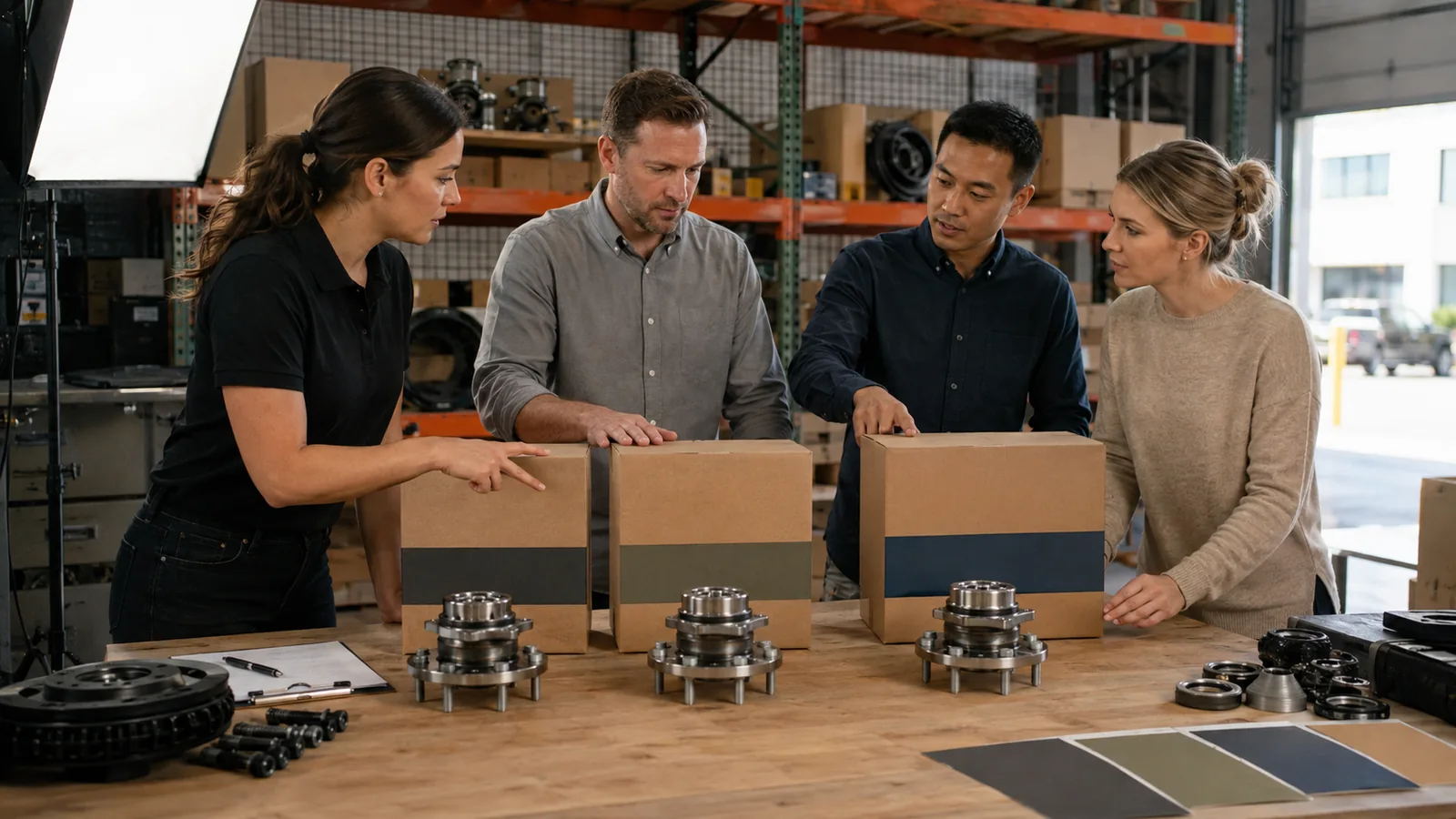
| Match the approved brand label | approved artwork, packaging, authorization, official table label, locale and channel | label ownership or allowed display is unclear |
| Bind brand identity to affected SKUs | buyer SKU, supplier model, product revision, packaging revision, lot or effectivity and channel | affected inventory or effectivity cannot be bounded |
| Test receiver mapping and collision handling | test feed, receiver brand ID, displayed label, aliases, errors and exported record | the receiver merges or misrepresents identity |
Use standardized identity without implying endorsement
Auto Care's 2026 release lists Brand Table 2.0 among the updated supporting reference-database schemas.
Auto Care explains that Brand Table supports both ACES and PIES and that current reference-data access and documentation govern use.
Public Timken, NTN and SKF sources may be cited for technical context, but their names must never be placed on or implied for an unverified JNHJDP product.
Claim boundary: No Brand Table subscription, brand authorization, manufacturer relationship, private-label scope, endorsement or trademark right is claimed for JNHJDP.
Additional review scenarios for Brand Table 2.0 wheel hub identity mapping
Review scenario 1 for Brand Table 2.0 wheel hub identity mapping: Start from legal names, trading names, brand owner, supplier, distributor, authorization and contact. The reviewer should map each party to a defined role without inferring manufacturing responsibility. An independent checker then tests the conclusion against the stated decision boundary and confirms that the record will retain source documents, owner and effective dates. If the role or authorized relationship is unverified, keep the affected line on hold, name the missing evidence and prevent the provisional interpretation from entering a quote, catalog, purchase order or customer promise. The case can move again when the evidence owner closes that exact field; a general assurance, familiar photograph or previous order is not a substitute for the missing source.
Review scenario 2 for Brand Table 2.0 wheel hub identity mapping: Start from Brand Table schema and publication, ACES or PIES version, sender and receiver baseline. The reviewer should compare official current record and any related change log. An independent checker then tests the conclusion against the stated decision boundary and confirms that the record will retain source event, record ID, status and reviewer. If publication or record status differs, keep the affected line on hold, name the missing evidence and prevent the provisional interpretation from entering a quote, catalog, purchase order or customer promise. The case can move again when the evidence owner closes that exact field; a general assurance, familiar photograph or previous order is not a substitute for the missing source.
Review scenario 3 for Brand Table 2.0 wheel hub identity mapping: Start from approved artwork, packaging, authorization, official table label, locale and channel. The reviewer should compare exact identity and record approved display variation separately. An independent checker then tests the conclusion against the stated decision boundary and confirms that the record will retain images, approval source, language and restriction. If label ownership or allowed display is unclear, keep the affected line on hold, name the missing evidence and prevent the provisional interpretation from entering a quote, catalog, purchase order or customer promise. The case can move again when the evidence owner closes that exact field; a general assurance, familiar photograph or previous order is not a substitute for the missing source.
Review scenario 4 for Brand Table 2.0 wheel hub identity mapping: Start from buyer SKU, supplier model, product revision, packaging revision, lot or effectivity and channel. The reviewer should use a reviewed mapping table and reconcile before-and-after counts. An independent checker then tests the conclusion against the stated decision boundary and confirms that the record will retain old mapping, new mapping and first effective stock. If affected inventory or effectivity cannot be bounded, keep the affected line on hold, name the missing evidence and prevent the provisional interpretation from entering a quote, catalog, purchase order or customer promise. The case can move again when the evidence owner closes that exact field; a general assurance, familiar photograph or previous order is not a substitute for the missing source.
Review scenario 5 for Brand Table 2.0 wheel hub identity mapping: Start from test feed, receiver brand ID, displayed label, aliases, errors and exported record. The reviewer should trace controlled examples through all required outputs. An independent checker then tests the conclusion against the stated decision boundary and confirms that the record will record screenshots, API values, collisions and release decision. If the receiver merges or misrepresents identity, keep the affected line on hold, name the missing evidence and prevent the provisional interpretation from entering a quote, catalog, purchase order or customer promise. The case can move again when the evidence owner closes that exact field; a general assurance, familiar photograph or previous order is not a substitute for the missing source.
Review scenario 6 for Brand Table 2.0 wheel hub identity mapping: Start from legal names, trading names, brand owner, supplier, distributor, authorization and contact. The reviewer should map each party to a defined role without inferring manufacturing responsibility. An independent checker then tests the conclusion against the stated decision boundary and confirms that the record will retain source documents, owner and effective dates. If the role or authorized relationship is unverified, keep the affected line on hold, name the missing evidence and prevent the provisional interpretation from entering a quote, catalog, purchase order or customer promise. The case can move again when the evidence owner closes that exact field; a general assurance, familiar photograph or previous order is not a substitute for the missing source.
Related wheel hub buyer resources
- Wheel Hub Assembly catalog
- Wheel Hub Bearing catalog
- wheel bearing versus wheel hub assembly guide
- ABS encoder identification guide
- wheel hub OE number and RFQ guide
- fitment verification workflow
- sample approval workflow
- kit contents and BOM verification
- supplier evaluation evidence guide
- export packaging checklist
- MOQ and lead-time planning guide
- incoming inspection checklist
- About Jinan Huayuan Auto Bearing
Sources, dates and claim boundaries
- Auto Care Association: ACES 5.0 and PIES 8.0 — current fitment/product-data exchange roles, digital assets, package configurations and file hashing
- Auto Care Association data standards — official distinction between ACES fitment data and PIES product information
- Auto Care Association: Managing Data Standards — official description of VIP downloads, reference-database maintenance, release notes, change logs and content-change requests
- SKF automotive wheel bearing kits — official manufacturer example of product, kit, ABS, seal, grease, flange and installation-resource information that catalog receivers may need to distinguish
Technical review: Jinan Huayuan Auto Bearing editorial review for source fidelity, procurement-data consistency and unsupported-claim removal. This review does not replace an OE catalog, vehicle service procedure, legal or customs advice, a customer-approved drawing, or mutually agreed commercial and inspection terms.
Corrections: Send the page URL and supporting evidence through the contact page. Material corrections are reviewed, linked records are rechecked and the updated date is changed when warranted.