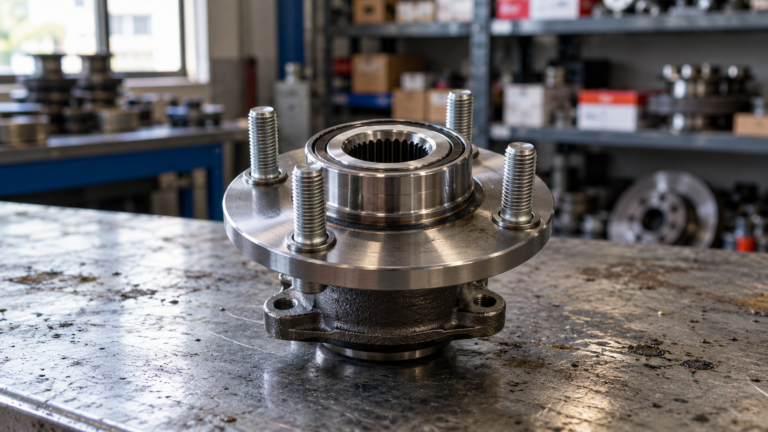

Wheel Hub Stock-Lift and Vendor-Return Reconciliation
A stock lift is a controlled inventory transfer, not a spreadsheet total. The distributor and receiving party need to agree which wheel hub lines qualify, what condition and packaging are acceptable, how quantities are counted, and when custody and credit change.
How should a wheel hub stock lift be reconciled?
Freeze program terms and an eligibility date before counting. Match every unit to the current buyer SKU, supplier or brand number, application-controlled status, package revision, lot or date code where needed, quantity and physical condition. Separate eligible, disputed, damaged, opened, relabeled, obsolete and unidentified stock. Use serialized case or pallet records for pickup, preserve before-and-after custody evidence, and reconcile the receiver’s count, rejected units, credit basis and residual inventory line by line. Never discard or relabel disputed stock without authority.
Freeze stock-lift eligibility and valuation terms
Define included brands, lines, dates, condition, package and credit basis. This is the controlling question for wheel hub stock-lift reconciliation, since counting before rules are fixed creates disputes that physical evidence cannot solve. Procurement, catalog and quality teams should use the same definition so that a technical note cannot be converted into a stronger public or contractual claim downstream.
Collect program agreement, line card, purchase history, current catalog state, exclusions and deadlines. After intake, translate every term into a testable field without extending the contract. Do the comparison line by line rather than by overall resemblance, total price or a supplier’s confidence. Evidence can eliminate a candidate without proving the remaining candidate, and the workflow should preserve that distinction.
Decision rule and evidence owner
The evidence packet must retain effective version, owners, examples and approval authority. Give files stable names, retain the unedited originals and connect every conclusion to its source. A screenshot without the URL and access date, or a photograph without the SKU and sample ID, is difficult to reuse and should not carry an approval by itself.
Worked situation: opened cartons are accepted only when inner packaging and identity remain complete. Hold the decision if condition wording cannot be applied consistently. Explain the hold with the disputed field and required evidence rather than speculation. That approach gives suppliers and customers a solvable question while protecting the distributor from an accidental interchange, capability or delivery promise.
Verify every wheel hub line
Match distributor SKU, marked product, package and current relationship. This is the controlling question for wheel hub stock-lift reconciliation, since superseded, relabeled and visually similar hubs can enter the wrong line total. Procurement, catalog and quality teams should use the same definition so that a technical note cannot be converted into a stronger public or contractual claim downstream.
Collect item master, product and package markings, approved crosswalk, supplier source and application status. After intake, scan and compare identity fields while preserving unresolved stock separately. Do the comparison line by line rather than by overall resemblance, total price or a supplier’s confidence. Evidence can eliminate a candidate without proving the remaining candidate, and the workflow should preserve that distinction.
A workable release condition
The evidence packet must link each count line to photographs and source records. Give files stable names, retain the unedited originals and connect every conclusion to its source. A screenshot without the URL and access date, or a photograph without the SKU and sample ID, is difficult to reuse and should not carry an approval by itself.
Worked situation: an old carton number maps to two later distributor records. Hold the decision if one unit cannot be assigned without inference. Explain the hold with the disputed field and required evidence rather than speculation. That approach gives suppliers and customers a solvable question while protecting the distributor from an accidental interchange, capability or delivery promise.
Grade condition without erasing evidence
Use agreed categories for sealed, opened, damaged, corroded, incomplete and suspect stock. This is the controlling question for wheel hub stock-lift reconciliation, since subjective saleable labels can conceal missing hardware or changed packaging. Procurement, catalog and quality teams should use the same definition so that a technical note cannot be converted into a stronger public or contractual claim downstream.
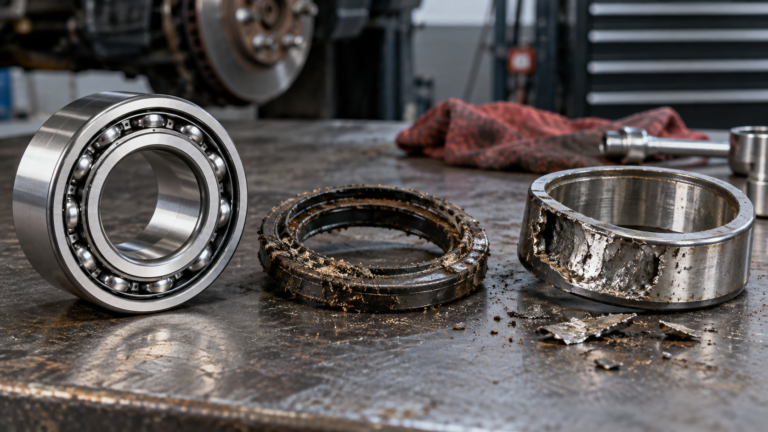
Collect physical unit, package, seal, contents, labels, storage history and condition photographs. After intake, inspect only to the agreed depth and avoid destructive handling. Do the comparison line by line rather than by overall resemblance, total price or a supplier’s confidence. Evidence can eliminate a candidate without proving the remaining candidate, and the workflow should preserve that distinction.
How to document the exception
The evidence packet must retain grade, reason, inspector, image and disputed status. Give files stable names, retain the unedited originals and connect every conclusion to its source. A screenshot without the URL and access date, or a photograph without the SKU and sample ID, is difficult to reuse and should not carry an approval by itself.
Worked situation: the carton is clean but the axle nut shown in the approved kit is absent. Hold the decision if condition and completeness cannot be verified. Explain the hold with the disputed field and required evidence rather than speculation. That approach gives suppliers and customers a solvable question while protecting the distributor from an accidental interchange, capability or delivery promise.
Control packing, pickup and receiver count
Map each item and quantity to case, pallet and transfer evidence. This is the controlling question for wheel hub stock-lift reconciliation, since the final count can change during repacking or transport with no trace. Procurement, catalog and quality teams should use the same definition so that a technical note cannot be converted into a stronger public or contractual claim downstream.
Collect count sheets, case IDs, pallet manifest, seals, weights, carrier handoff and receiver exceptions. After intake, freeze the loaded version and record every break, move or rejected package. Do the comparison line by line rather than by overall resemblance, total price or a supplier’s confidence. Evidence can eliminate a candidate without proving the remaining candidate, and the workflow should preserve that distinction.
A case that exposes the hidden risk
The evidence packet must preserve sender and receiver counts with timestamps and proof. Give files stable names, retain the unedited originals and connect every conclusion to its source. A screenshot without the URL and access date, or a photograph without the SKU and sample ID, is difficult to reuse and should not carry an approval by itself.
Worked situation: one pallet is rebuilt after damage without revising its contents. Hold the decision if the transferred population cannot be reconstructed. Explain the hold with the disputed field and required evidence rather than speculation. That approach gives suppliers and customers a solvable question while protecting the distributor from an accidental interchange, capability or delivery promise.
Reconcile credit and residual inventory
Close accepted, rejected, pending and retained quantities independently. This is the controlling question for wheel hub stock-lift reconciliation, since a total credit can hide wrong lines and leave inventory records overstated. Procurement, catalog and quality teams should use the same definition so that a technical note cannot be converted into a stronger public or contractual claim downstream.
Collect receiver result, agreed price basis, deductions, freight, taxes, returned stock and distributor ledger. After intake, perform line-level reconciliation and route disputes through named evidence. Do the comparison line by line rather than by overall resemblance, total price or a supplier’s confidence. Evidence can eliminate a candidate without proving the remaining candidate, and the workflow should preserve that distinction.
What a second reviewer should see
The evidence packet must retain credit reference, reason, owner and final residual count. Give files stable names, retain the unedited originals and connect every conclusion to its source. A screenshot without the URL and access date, or a photograph without the SKU and sample ID, is difficult to reuse and should not carry an approval by itself.
Worked situation: two rejected cartons return without a warehouse receipt. Hold the decision if financial and physical balances differ. Explain the hold with the disputed field and required evidence rather than speculation. That approach gives suppliers and customers a solvable question while protecting the distributor from an accidental interchange, capability or delivery promise.
Stock-lift reconciliation matrix
Every line moves through identity, condition, custody and value controls.
| State | Required record | Next action |
|---|---|---|
| Eligible | Matched item and terms | Pack for transfer |
| Disputed | Identity or term conflict | Hold for review |
| Damaged | Condition evidence | Apply agreement |
| Transferred | Case and pallet custody | Receiver count |
| Credited | Line-level financial reference | Close ledger |
| Residual | Physical and system balance | Recount or disposition |
Audit the changeover after credit closes
Current aftermarket redistributor services show that stock lifts, buybacks and changeovers remain real channel tasks. Their commercial guarantees do not apply to JNHJDP or another program.
Keep authenticity questions separate from ordinary condition grading. Suspect branded stock requires the responsible manufacturer's route and evidence controls.
Do not publish recovery, obsolescence or credit-rate claims unless the complete program population and valuation method are verified.
Claim boundary: The article does not offer a stock-lift, buyback, credit percentage, return eligibility or disposition commitment for JNHJDP.
Additional review scenarios for wheel hub stock-lift reconciliation
Review scenario 1 for wheel hub stock-lift reconciliation: Start from program agreement, line card, purchase history, current catalog state, exclusions and deadlines. The reviewer should translate every term into a testable field without extending the contract. An independent checker then tests the conclusion against the stated decision boundary and confirms that the record will retain effective version, owners, examples and approval authority. If condition wording cannot be applied consistently, keep the affected line on hold, name the missing evidence and prevent the provisional interpretation from entering a quote, catalog, purchase order or customer promise. The case can move again when the evidence owner closes that exact field; a general assurance, familiar photograph or previous order is not a substitute for the missing source.
Review scenario 2 for wheel hub stock-lift reconciliation: Start from item master, product and package markings, approved crosswalk, supplier source and application status. The reviewer should scan and compare identity fields while preserving unresolved stock separately. An independent checker then tests the conclusion against the stated decision boundary and confirms that the record will link each count line to photographs and source records. If one unit cannot be assigned without inference, keep the affected line on hold, name the missing evidence and prevent the provisional interpretation from entering a quote, catalog, purchase order or customer promise. The case can move again when the evidence owner closes that exact field; a general assurance, familiar photograph or previous order is not a substitute for the missing source.
Review scenario 3 for wheel hub stock-lift reconciliation: Start from physical unit, package, seal, contents, labels, storage history and condition photographs. The reviewer should inspect only to the agreed depth and avoid destructive handling. An independent checker then tests the conclusion against the stated decision boundary and confirms that the record will retain grade, reason, inspector, image and disputed status. If condition and completeness cannot be verified, keep the affected line on hold, name the missing evidence and prevent the provisional interpretation from entering a quote, catalog, purchase order or customer promise. The case can move again when the evidence owner closes that exact field; a general assurance, familiar photograph or previous order is not a substitute for the missing source.
Review scenario 4 for wheel hub stock-lift reconciliation: Start from count sheets, case IDs, pallet manifest, seals, weights, carrier handoff and receiver exceptions. The reviewer should freeze the loaded version and record every break, move or rejected package. An independent checker then tests the conclusion against the stated decision boundary and confirms that the record will preserve sender and receiver counts with timestamps and proof. If the transferred population cannot be reconstructed, keep the affected line on hold, name the missing evidence and prevent the provisional interpretation from entering a quote, catalog, purchase order or customer promise. The case can move again when the evidence owner closes that exact field; a general assurance, familiar photograph or previous order is not a substitute for the missing source.
Review scenario 5 for wheel hub stock-lift reconciliation: Start from receiver result, agreed price basis, deductions, freight, taxes, returned stock and distributor ledger. The reviewer should perform line-level reconciliation and route disputes through named evidence. An independent checker then tests the conclusion against the stated decision boundary and confirms that the record will retain credit reference, reason, owner and final residual count. If financial and physical balances differ, keep the affected line on hold, name the missing evidence and prevent the provisional interpretation from entering a quote, catalog, purchase order or customer promise. The case can move again when the evidence owner closes that exact field; a general assurance, familiar photograph or previous order is not a substitute for the missing source.
Review scenario 6 for wheel hub stock-lift reconciliation: Start from program agreement, line card, purchase history, current catalog state, exclusions and deadlines. The reviewer should translate every term into a testable field without extending the contract. An independent checker then tests the conclusion against the stated decision boundary and confirms that the record will retain effective version, owners, examples and approval authority. If condition wording cannot be applied consistently, keep the affected line on hold, name the missing evidence and prevent the provisional interpretation from entering a quote, catalog, purchase order or customer promise. The case can move again when the evidence owner closes that exact field; a general assurance, familiar photograph or previous order is not a substitute for the missing source.
Review scenario 7 for wheel hub stock-lift reconciliation: Start from item master, product and package markings, approved crosswalk, supplier source and application status. The reviewer should scan and compare identity fields while preserving unresolved stock separately. An independent checker then tests the conclusion against the stated decision boundary and confirms that the record will link each count line to photographs and source records. If one unit cannot be assigned without inference, keep the affected line on hold, name the missing evidence and prevent the provisional interpretation from entering a quote, catalog, purchase order or customer promise. The case can move again when the evidence owner closes that exact field; a general assurance, familiar photograph or previous order is not a substitute for the missing source.
Related wheel hub buyer resources
- Wheel Hub Assembly catalog
- Wheel Hub Bearing catalog
- wheel bearing versus wheel hub assembly guide
- ABS encoder identification guide
- wheel hub OE number and RFQ guide
- fitment verification workflow
- sample approval workflow
- kit contents and BOM verification
- supplier evaluation evidence guide
- export packaging checklist
- MOQ and lead-time planning guide
- incoming inspection checklist
- About Jinan Huayuan Auto Bearing
Sources, dates and claim boundaries
- CAM International stock-lift and vendor-return programs — current aftermarket evidence that stock lifts, changeovers, buybacks and surplus reconciliation are active distributor tasks
- RepairLink Shop supersession availability — updated July 24, 2026 example distinguishing requested and fulfilled part numbers in a supersession chain
- Auto Care Association ACES 5.0 and PIES 8.0 release — April 2, 2026 release covering multilingual labels, package configurations, digital assets and file validation
- Timken Supplier Requirements Manual — public requirements covering revision control, identification, lot traceability, shipment records and supplier evidence boundaries
Technical review: Jinan Huayuan Auto Bearing editorial review for source fidelity, procurement-data consistency and unsupported-claim removal. This review does not replace an OE catalog, vehicle service procedure, legal or customs advice, a customer-approved drawing, or mutually agreed commercial and inspection terms.
Corrections: Send the page URL and supporting evidence through the contact page. Material corrections are reviewed, linked records are rechecked and the updated date is changed when warranted.